Table of Contents
- Overview
- Claude Cowork: a reassuring design that checks in as it goes
- Genspark Claw: a setup trap lurking behind the convenience
- Gemini Antigravity: high autonomy and the API key trap
- A shared pattern: initial setup and permission awareness make the difference
- The shared security weak point of "autonomously working AI"
- A comparison table: how far can you trust each one?
- Summary: a checklist before adopting
Overview
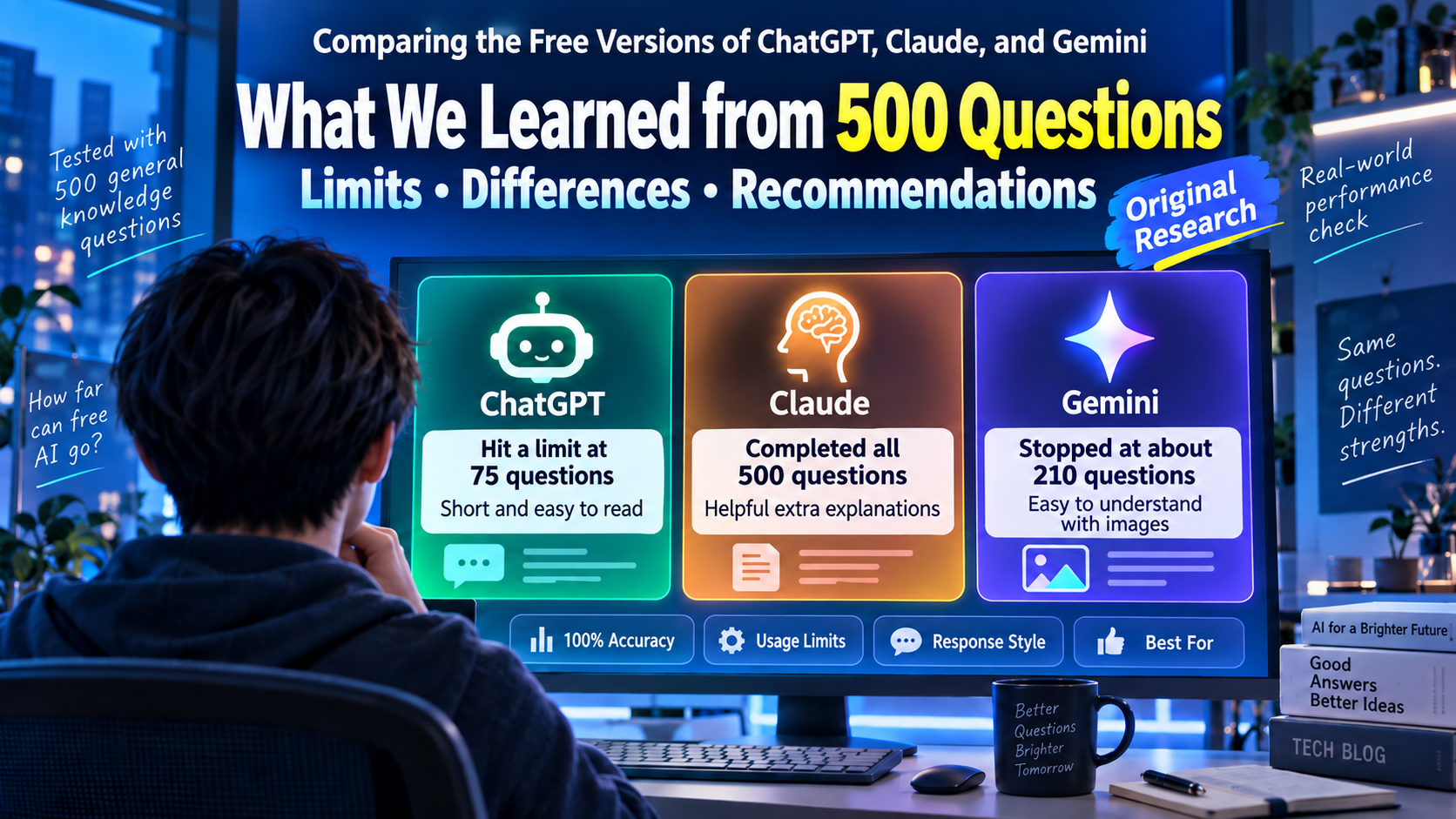
Services built around the concept of "handing work over to an AI agent" have surged in the past year. Claude Cowork, Genspark Claw, and Gemini (Antigravity) each aim to be an "autonomously working AI," but how far has that actually gotten in practice? Here, using concrete cases, I compare all three.
Claude Cowork: a reassuring design that checks in as it goes
A striking example with Claude Cowork is handing off the organization of a folder with more than 500 photos — from writing the prompt to checking the result, it took just 25 minutes total. Behind that "glad I handed it off" feeling is a design that presents options and checks in with you as it goes. With little worry about unintended actions, being able to entrust work with peace of mind is a major strength of Cowork. On the other hand, there's also the constraint that complex work on the Pro plan quickly hits its usage ceiling.
Genspark Claw: a setup trap lurking behind the convenience
Genspark Claw's appeal is that it can run as a 24/7 AI secretary through integration with LINE and Discord. But lurking underneath is a setting you'd regret not knowing about. In one reported case, right after adopting Claw, without the user giving any specific instructions, a "cron job" — an auto-patrol feature that was on by default in the initial setup — burned through a large chunk of credits in less than a week. It's a lesson that the convenience of "handing things over" can come with the risk that an overlooked default setting leads to unexpectedly high cost.
Gemini Antigravity: high autonomy and the API key trap
Gemini (Antigravity) is valued for its high degree of autonomy — it can even operate a browser on its own to check that things work. On the other hand, there are "failure log" reports of the UI being generated flawlessly while errors pile up around external API key configuration, with as many as 90% of users reportedly getting tripped up at this exact point. High autonomy is appealing, but the reality is that the connection-configuration part still needs a human to check it.
A shared pattern: initial setup and permission awareness make the difference
Comparing all three, a shared pattern emerges: the more a tool genuinely delivers on "handing work over," the more that understanding the initial setup and permissions ends up being what separates using it well from not. As the range an AI can act on autonomously grows, so does the importance of a human keeping track of "what's turned on automatically" and "what permissions has it been given."
The shared security weak point of "autonomously working AI"
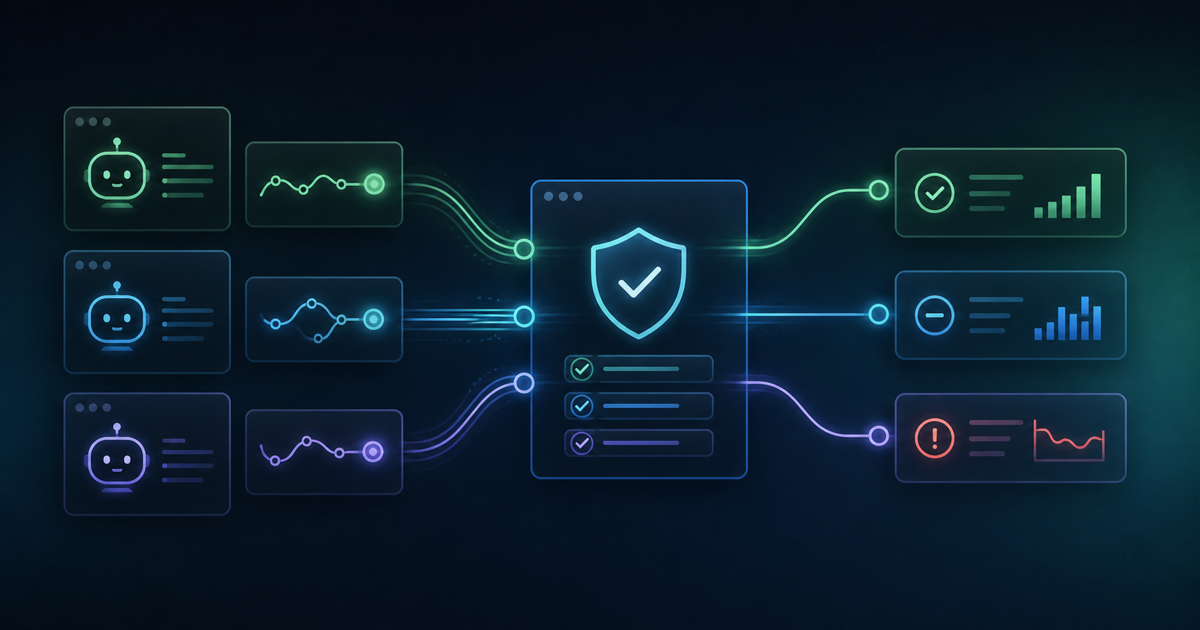
Digging a bit deeper, many security experts point to two shared risks across these autonomous AI agents that deserve top priority: data leakage and over-provisioned permissions. With an ordinary chat-based AI, the risk is confined to the input/output exchange, but an AI agent autonomously operates outside tools and acts continuously across multiple systems, which greatly widens the blast radius if something goes wrong.
Concrete countermeasures suggested include limiting the range of data an AI agent can access to the bare minimum, keeping logs of who did what and when so actions can be traced, and, if the AI accepts input from outside sources, restricting what operations it's allowed to perform using a whitelist model set up in advance. Claude Cowork, Genspark Claw, and Gemini Antigravity, as covered here, are mostly discussed in the context of personal use, but if you're using them seriously for work, or sharing them across a team, keeping this kind of permission-management thinking in mind should make for more confident operation.
A comparison table: how far can you trust each one?
- Claude Cowork: reassuring thanks to a check-in process, but watch the plan-based usage ceiling
- Genspark Claw: appealing 24/7 operation, but reviewing the initial setup (cron jobs, etc.) is essential
- Gemini Antigravity: stands out for autonomy, but API key configuration needs a human check
Summary: a checklist before adopting
Before adopting any of these AI agent services, it's worth checking the following:
- Draw the line up front for how much you'll hand off automatically versus where a human checks in
- Always check the initial setup (automation toggles, permission settings)
- When handling important data or API keys, don't skip backups and double-checks
- Understand the plan-based usage ceiling and figure out which plan you'll actually need for serious use
The experience of "handing things over to AI" keeps steadily improving, but what supports it is the unglamorous discipline of a human properly understanding and preparing before trusting the AI completely.